If you think fashion moves fast, wait until you see what 2026 has in store. The industry is entering a fascinating new chapter where technology, sustainability, and personal expression are no longer separate conversations. They have become the foundation of how we dress, shop, and think about clothing. For anyone who loves style, 2026 is not about following one rigid aesthetic. It is about curating a wardrobe that feels intelligent, adaptable, and deeply personal. In this guide, we will break down the most important fashion trends 2026 has to offer, from the return of sculptural tailoring to the rise of smart fabrics and the new rules of color.
The Big Picture: How 2026 Is Redefining Fashion
Fashion in 2026 is shaped by a global shift in values. Consumers are more informed than ever, and they are asking better questions about where their clothes come from, how long they will last, and what happens to them after they are discarded. The era of disposable fast fashion is giving way to a more considered approach. This does not mean style has become boring. In fact, the opposite is true. Designers are using constraint as a creative springboard, producing collections that are both visually striking and responsibly made.
The key word for 2026 is intentionality. Every piece in a wardrobe is expected to earn its place. That could mean a jacket with an impeccable silhouette, a dress made from regenerative materials, or a pair of shoes designed for repair rather than replacement. This mindset is driving many of the specific trends we see on runways and in street style. The looks are expressive, but they are also rooted in function and longevity.
Another major influence is the digital world. Social media, augmented reality, and virtual styling tools are changing how trends spread and how people experiment with new looks. By 2026, fashion is no longer confined to physical garments. Digital wardrobes, virtual try-ons, and AI-powered personal stylists have moved from novelty to everyday utility. This hybrid reality is creating a more playful, diverse, and fast-moving fashion landscape.
Sustainability Goes Beyond Buzzwords
Sustainability has been a talking point for years, but in 2026 it is becoming the industry standard rather than a marketing angle. Brands are being held accountable not only by consumers but also by new regulations that demand transparency in supply chains. This has accelerated innovation in materials, production methods, and end-of-life solutions for clothing.
The most exciting development is the shift from linear to circular fashion systems. Instead of creating a garment, selling it, and forgetting it, brands are designing products that can be returned, disassembled, and remade into new pieces. Rental platforms, resale marketplaces, and repair services have become mainstream. For consumers, this means access to high-quality fashion without the guilt of contributing to landfill waste.
Circularity as Standard
In 2026, circularity is not just for niche eco-brands. Major fashion houses are integrating take-back programs, offering lifetime repair services, and using mono-materials that are easier to recycle. The idea of owning a garment for a single season is fading. Instead, people are investing in pieces that can evolve with them over time. This trend supports the rise of modular clothing, which allows sleeves, collars, and panels to be swapped or replaced to create entirely new silhouettes.
Key circular fashion practices to watch in 2026 include:
- Regenerative materials: Fabrics made from agricultural systems that restore soil health and capture carbon.
- Mono-fiber garments: Clothing made from a single type of fiber, making recycling dramatically easier.
- Digital product passports: QR codes or NFC tags that reveal a garment’s origin, material composition, and recycling instructions.
- Resale integration: Brands launching their own secondhand platforms to keep products in circulation longer.
Tech-Infused Fabrics and Smart Garments
One of the most futuristic aspects of fashion trends 2026 is the integration of technology directly into clothing. While wearable tech once meant bulky fitness trackers, today’s smart garments are subtle, comfortable, and genuinely useful. Fabrics can now regulate temperature, monitor posture, charge small devices, and even change color or pattern with a smartphone app.
These innovations are driven by advances in conductive yarns, flexible sensors, and energy-harvesting textiles. A jacket might warm you on a chilly morning using solar energy captured during your commute. A workout top can track your heart rate without requiring a separate chest strap. This blend of function and fashion is making high-tech clothing desirable for everyday wear, not just for athletes or early adopters.
Adaptive Clothing Enters the Mainstream
Adaptive fashion has traditionally been underserved, but in 2026 it is finally receiving the attention it deserves. Designers are creating beautiful, functional clothing for people with disabilities, chronic illnesses, and diverse body needs. Magnetic closures, one-handed zippers, seated silhouettes, and sensory-friendly fabrics are no longer afterthoughts. They are being woven into mainstream collections.
This shift is part of a larger movement toward inclusive design. The fashion industry is recognizing that when you design for the widest range of bodies and abilities, everyone benefits. Easy-entry shoes, adjustable waistbands, and garments that accommodate mobility aids are becoming stylish and widely available. This is not a niche trend; it is a fundamental improvement in how fashion serves people.
The Silhouettes and Staples of 2026
When it comes to shapes, 2026 is a year of contrast. On one hand, we see sharp, sculptural tailoring that projects confidence and precision. On the other, we see fluid draping and generous volume that celebrate movement and ease. The result is a dynamic wardrobe that can be mixed and matched depending on mood and context.
Sculptural Tailoring with Soft Power
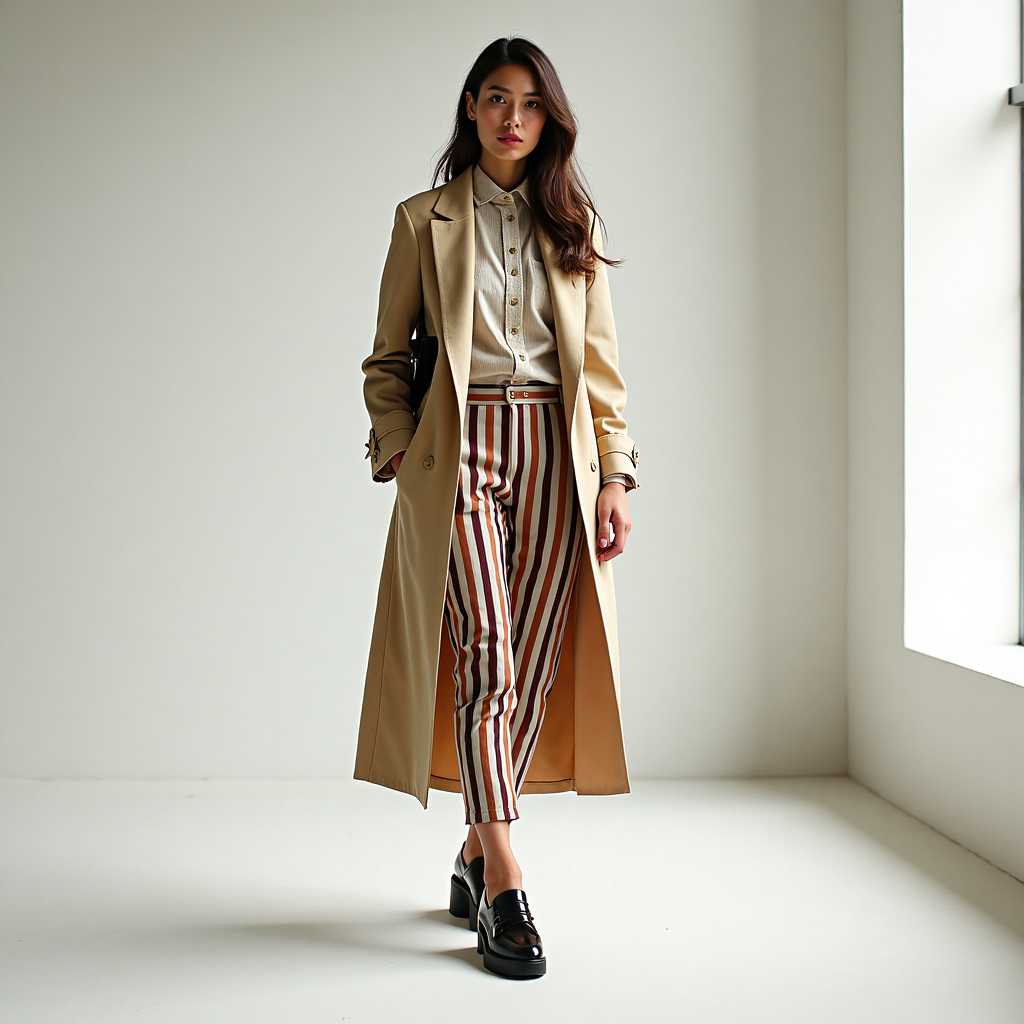
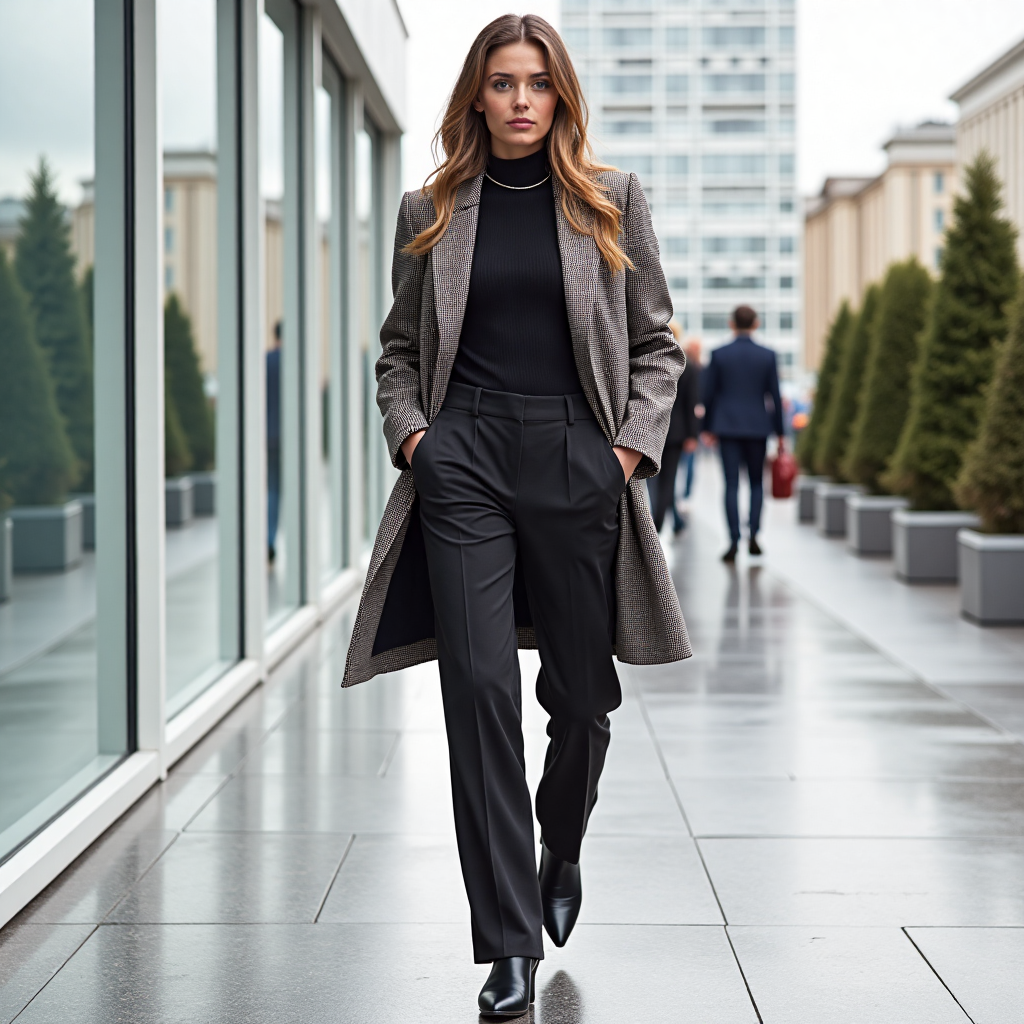
Tailoring is back, but it is not the stiff, uncomfortable suiting of the past. The 2026 blazer has strong shoulders and a nipped waist, creating a powerful silhouette without restricting movement. Trousers are high-waisted and wide-legged, often featuring knife-sharp pleats that elongate the leg. The key is structure paired with softness. Designers are using technical fabrics with stretch, breathable linings, and hidden adjustability to make tailored pieces feel as comfortable as loungewear.
This trend works beautifully for both professional and casual settings. A sculptural blazer can be thrown over a simple tank and jeans for an instant upgrade, or worn as a full suit for maximum impact. Expect to see thoughtful details like asymmetric lapels, oversized buttons, and contrast stitching that add personality to classic forms.
The New Volume: Peplums, Drapes, and Movement
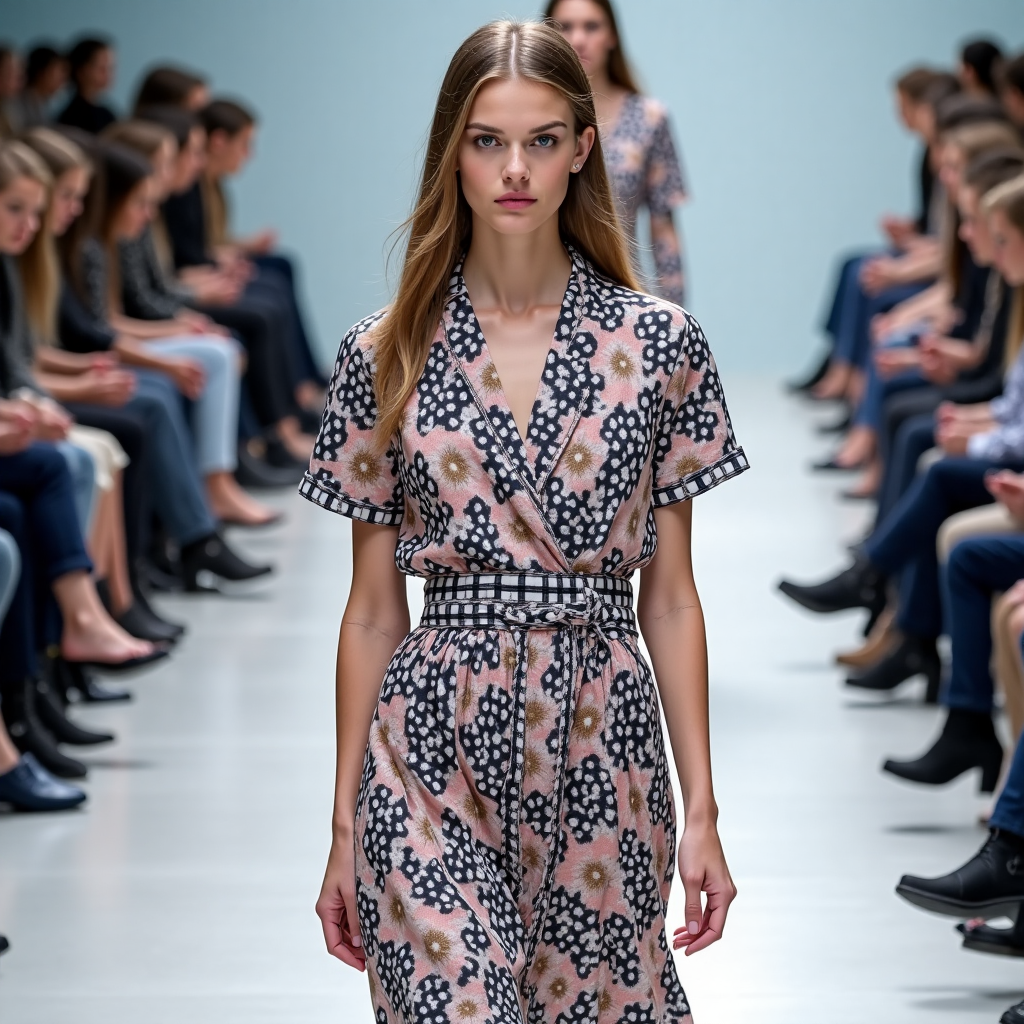
After years of minimalism, fashion is embracing drama again. Peplums have returned, but they are softer and more wearable than their 2010s predecessors. Draped skirts, billowing sleeves, and bias-cut dresses are everywhere, creating a sense of movement and fluidity. This trend is about celebrating the body in motion rather than constraining it.
Volume is being used strategically. A dramatic sleeve can transform a simple top, while a draped skirt can make a basic knit feel special. The key to wearing this trend in 2026 is balance. Pair a voluminous top with slim trousers, or a full skirt with a fitted bodysuit. The goal is to create a silhouette that feels intentional without overwhelming your frame.
Elevated Utility and Modular Dressing
Utility wear continues to evolve, but it has become more refined. Cargo pants are now tailored from premium fabrics like silk-blend twill or recycled nylon. Jumpsuits feature detachable legs, jackets have zip-off sleeves, and bags come with interchangeable straps. This modular approach allows one garment to serve multiple purposes, aligning perfectly with the sustainability ethos of the year.
The 2026 utility look is clean and polished, not sloppy. Think crisp patch pockets, metal hardware, and muted earth tones. It is functional fashion that works as well on a city street as it does on a weekend adventure. The emphasis is on versatility and clever design rather than purely decorative details.
The 2026 Color Palette
Color in 2026 is bold, optimistic, and deeply connected to nature. While neutral tones remain wardrobe staples, they are being joined by a range of vibrant shades that reflect a desire for joy and self-expression. The palette balances digital influence with organic warmth, creating a look that feels both futuristic and grounded.
Some of the standout colors for fashion trends 2026 include:
- Digital Lavender: A soft, futuristic purple that has become a new neutral for many wardrobes.
- Molten Gold: A rich, warm metallic that adds a touch of celebration to everyday pieces.
- Oxidized Green: A deep, earthy green inspired by patina and natural decay, offering a sophisticated alternative to black.
- Vivid Coral: A high-energy hue used in accessories and statement outerwear to lift neutral outfits.
- Butter Yellow: A soft, creamy yellow that brings warmth and optimism to spring and summer looks.
- Charcoal Indigo: A dark blue with gray undertones, perfect for tailoring and denim alike.
Color blocking is also making a comeback, but with a more refined approach. Instead of clashing primaries, designers are pairing unexpected tones like lavender and rust or gold and olive. These combinations feel fresh and sophisticated, offering a modern way to embrace color without relying on a single statement piece.
Accessories and Footwear Trends
Accessories in 2026 are not just finishing touches; they are essential tools for self-expression. Bags, shoes, belts, and jewelry are becoming more sculptural, more functional, and more personal. Many accessories are designed to be customizable, with detachable charms, interchangeable straps, and modular hardware.
Statement Belts and Functional Hardware
The belt has stepped into the spotlight. Wide belts, corset belts, and utility belts are being used to define the waist and add structure to flowing silhouettes. Hardware is key. Oversized buckles, carabiner clips, and metal rings add an industrial edge to even the simplest outfit. These pieces are as functional as they are decorative, often incorporating hidden pockets or attachment points for keys and small pouches.
Jewelry is following a similar path. Chunky chain necklaces, sculptural earrings, and multi-functional rings are popular. The trend favors pieces that feel substantial and personal, often with a handmade or artisanal quality. Mixed metals are fully accepted, removing the old rule about matching silver and gold.
Sculptural Shoes and Cushioned Soles
Footwear in 2026 is all about comfort without compromising on design. Cushioned soles, ergonomic footbeds, and supportive arches are now expected, not optional. Sneakers continue to dominate, but they are joined by sculptural heels, molded flats, and hybrid styles that blur the line between sport and elegance.
Look for interesting shapes like curved heels, asymmetric straps, and square toes. Boots are being made with weather-resistant, breathable materials that adapt to changing conditions. The emphasis is on shoes that can be worn all day, whether you are walking to work, dancing at a party, or traveling across time zones. Practicality has become a luxury.
Gender Fluidity and Inclusive Design
The conversation around gender in fashion has moved beyond marketing slogans. In 2026, many brands have fully embraced gender-fluid collections, designing garments that are not categorized by traditional men’s or women’s sizing. Instead, they focus on fit, proportion, and personal preference. This shift is opening up new possibilities for self-expression and challenging outdated norms.
Silhouettes are becoming more fluid across the board. Skirts and dresses appear in collections marketed to all genders, while traditionally masculine tailoring is being softened with draping and delicate fabrics. The result is a wardrobe that feels liberating. People are freer to choose pieces that resonate with them, regardless of the label on the hanger.
Inclusive sizing has also expanded. More brands are offering extended size ranges and designing from the start for a variety of body shapes. Fit models with diverse proportions are becoming standard. This is not a limited capsule or a marketing gesture; it is a structural change in how clothing is designed, produced, and sold.
The Rise of Digital Fashion and Virtual Wardrobes
One of the most intriguing developments for fashion trends 2026 is the rise of digital fashion. Virtual clothing, AR filters, and AI-generated outfits are becoming part of everyday life. People are curating digital wardrobes for social media avatars, video calls, and gaming platforms. These digital garments can be as valuable as physical ones, often released as limited editions or collaborations with digital artists.
This trend is changing how people experiment with style. Instead of buying a physical garment to test a bold look, you can try it on virtually and see how it fits your digital identity. AI stylists analyze your preferences, body shape, and lifestyle to suggest outfits from both physical and digital closets. This technology reduces unnecessary purchases and helps people make more confident buying decisions.
Brands are also using digital fashion to reduce waste. Virtual fashion shows, digital showrooms, and 3D sampling have become industry standards. Designers can create and refine garments digitally before producing physical prototypes, dramatically cutting material waste and speeding up the design process. The result is a more efficient, creative, and responsive fashion industry.
How to Incorporate 2026 Trends Now
You do not need to overhaul your entire wardrobe to embrace the fashion trends 2026 is known for. The best approach is to start with versatile pieces that align with your personal style and can be worn in multiple ways. Focus on quality, comfort, and pieces that make you feel confident.
Here are a few practical ways to begin:
- Invest in one sculptural blazer: Choose a style with strong shoulders and a defined waist in a neutral or bold color.
- Experiment with volume: Add a draped top or wide-leg trouser to your rotation and balance it with fitted pieces.
- Embrace a signature color: Try incorporating digital lavender or oxidised green into your accessories or outerwear.
- Upgrade your footwear: Look for shoes that combine style with supportive soles and interesting shapes.
- Think modular: Choose pieces with adjustable straps, detachable elements, or versatile styling options.
- Explore secondhand: Shop resale platforms for high-quality pieces that fit the 2026 aesthetic while supporting circular fashion.
Most importantly, wear what makes you feel good. The true spirit of 2026 fashion is individuality. Trends are meant to inspire, not dictate. Use them as a starting point to build a wardrobe that reflects who you are and how you want to show up in the world.
Conclusion
The fashion trends 2026 represents a meaningful evolution in how we think about style. It is a year defined by intentionality, innovation, and inclusion. From circular fashion systems and smart fabrics to sculptural tailoring and digital wardrobes, the industry is embracing a future that is more responsible and more creative. The boundaries between technology and tradition, function and beauty, gender and style are blurring in exciting ways.
As you navigate the year ahead, remember that fashion is ultimately a tool for self-expression. The trends of 2026 offer more options than ever to express your unique identity while making choices that align with your values. Whether you are drawn to bold color, architectural silhouettes, or the elegance of adaptive design, there is a place for you in this new fashion landscape. The future of style is not about fitting in—it is about standing out with purpose.